
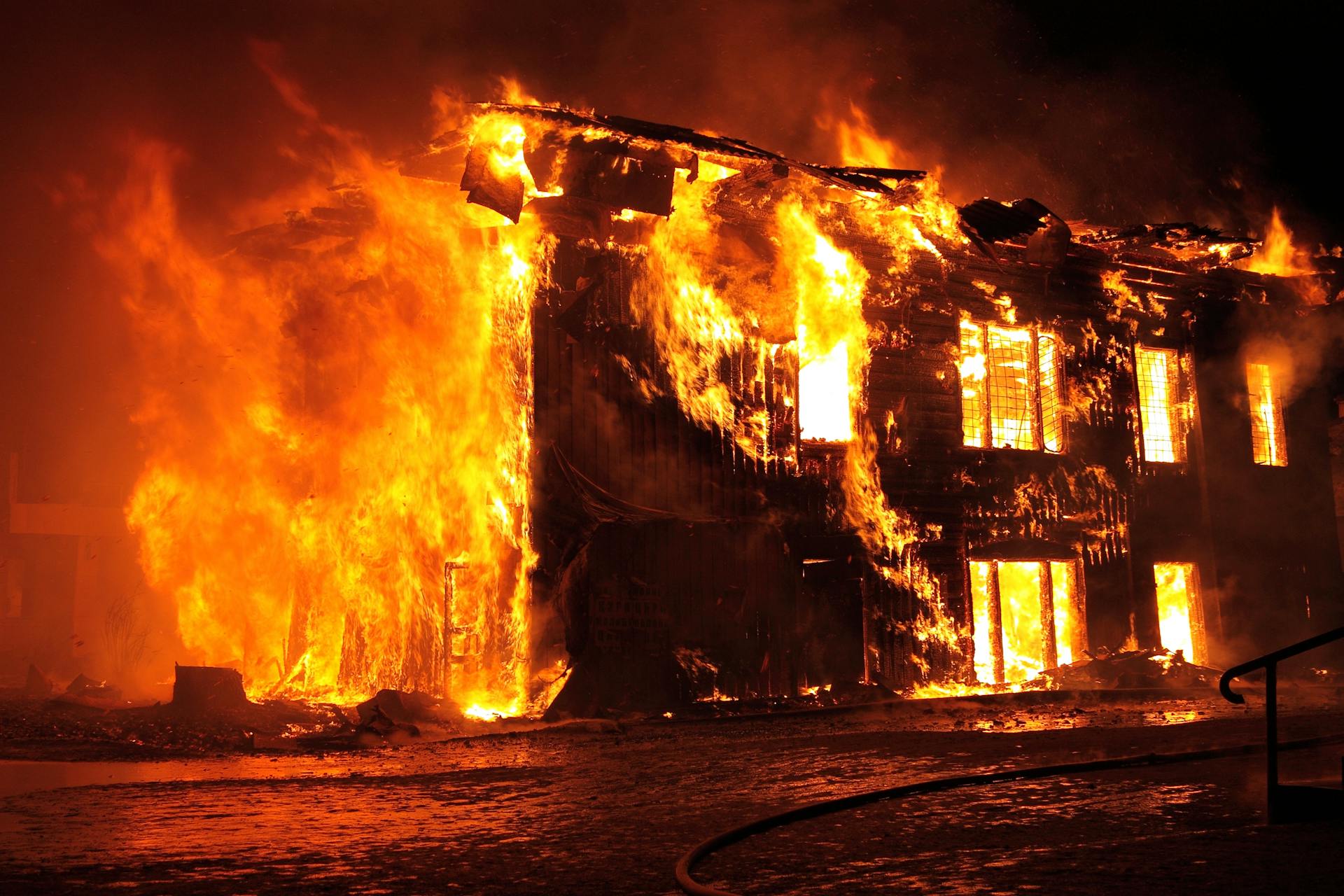
When a fire occurs, the visible damage is often the first concern. But even after the flames are extinguished, smoke and soot can continue to affect a property.
Smoke can travel well beyond the area where a fire started, reaching walls, ceilings, furniture, HVAC systems and other areas of a home or business. Understanding how smoke damage works and why timely cleanup matters can help property owners know what to expect following a fire.
Smoke Can Travel Throughout a Property
Smoke doesn’t necessarily stay near the source of a fire. It can move through hallways, rooms, vents and small openings, leaving residue in areas that may appear unaffected at first glance.
This means a room without visible fire damage may still require inspection and cleaning following a loss.
Soot Can Settle on Surfaces
Soot is made up of fine particles produced during a fire. These particles can settle on walls, ceilings, floors, furniture and personal belongings throughout a property.
Some soot residue can be difficult to see, particularly on darker surfaces. Attempting to wipe or scrub affected materials without the proper methods can also spread residue or make staining more difficult to remove.
Smoke Odours Can Linger
One of the most noticeable effects following a fire is often the smell.
Smoke odours can become trapped in porous materials such as carpeting, upholstery, drywall, clothing and other contents. Air fresheners or household cleaning products may temporarily mask the smell, but they may not address its source.
Professional restoration may involve identifying affected materials, cleaning surfaces and contents, and using specialized equipment and techniques to address lingering odours.
Your HVAC System May Be Affected
Depending on the fire and the property’s ventilation system, smoke and soot may enter ductwork and circulate to other areas of the building.
After a fire, the HVAC system may need to be assessed as part of the overall damage evaluation. Avoid turning systems back on until it is safe to do so and you have received appropriate professional guidance.
Water Damage Can Be Part of Fire Damage Too
Fire restoration isn’t always limited to fire and smoke.
Water used to extinguish a fire can leave parts of the property wet, creating an additional restoration concern. Depending on the severity of the loss, a property may require water extraction, drying, smoke and soot cleanup, odour treatment and repairs.
Addressing the different types of damage as part of a coordinated restoration process can help reduce the risk of additional problems.
What Should You Do After a Fire?
Your safety should always come first. Do not enter a fire-damaged property until emergency officials have confirmed that it is safe to do so.
Once it is safe, documenting the damage and contacting your insurance provider are important next steps. A professional restoration company can assess the affected areas and determine what cleaning, drying, removal and repair work may be required.
Avoid attempting extensive cleaning yourself before the damage has been properly assessed, as different materials and types of residue may require different cleaning methods.
Restoring More Than the Visible Damage
Recovering from a fire can be overwhelming. Beyond repairing the physical property, there are belongings to consider, decisions to make and an unexpected disruption to everyday life.
At DKI Canada, we understand that restoration is about more than repairing a building. Our teams work to help property owners navigate the recovery process and restore their homes or businesses following fire, smoke and related damage.
If your property has experienced fire or smoke damage, DKI Canada is available 24/7 at 1-855-354-2329.